
Washington’s coast is not one single lifestyle or housing market. From beachside streets and peninsula communities to river-adjacent towns and inland service centers, each area offers a different rhythm, housing mix, and set of practical considerations. A focused search starts by matching your daily priorities with the character of each community—not just with a map pin.
Start With the Coast You Want to Experience
The Washington coast invites people to slow down and look outward: toward long stretches of sand, working waterways, evergreen landscapes, open skies, and the changing weather that gives the region its distinct atmosphere. But “coastal living” can mean very different things depending on where you land. A home near the ocean may offer quick access to shoreline walks and seasonal activity, while a property farther inland may provide more space, a different commute pattern, or closer proximity to everyday services.

Long Beach and Seaview are often part of the conversation for buyers who value proximity to the Pacific shoreline, local gathering places, and a strong sense of seasonal coastal energy. Housing can range from compact cottages and condominiums to larger homes on quieter streets, with inventory and condition varying block by block. Here, it is useful to think beyond the view: ask about wind exposure, drainage, exterior materials, maintenance history, parking, and whether the property will be used as a primary residence, a second home, or an investment.
Being close to the coast can also bring practical questions worth addressing early. Flood-zone information, insurance options, utility systems, access routes, and the age of a home’s roof or siding can all affect the overall ownership picture. These are not reasons to avoid a location; they are reasons to compare properties carefully and make decisions with clear information. A well-prepared offer considers both the home’s appeal and the costs of maintaining it in a marine climate.
On the peninsula, two homes a short distance apart can have notably different exposure to wind, moisture, traffic patterns, and seasonal activity. Reviewing the property details—not just the listing photos—helps make comparisons more meaningful.
Ocean Shores offers another coastal option, with its own pattern of beach access, canals, lakes, and residential streets. The community’s setting can appeal to buyers drawn to outdoor recreation and open-water scenery, while the housing search may include everything from low-maintenance condo living to detached homes with larger lots. The best fit depends on how you expect to use the property day to day and what level of upkeep feels comfortable.
Compare Daily Logistics Alongside Scenery
A productive home search on the coast includes a simple but important exercise: picture an ordinary Tuesday. Where will you buy groceries, pick up a prescription, meet a contractor, get to an appointment, or spend an afternoon outside? Coastal communities reward this kind of practical planning because the routes, travel times, and available services can feel different from a larger metro area. The goal is not to find one universally “best” town, but to find a location that supports your own routines.
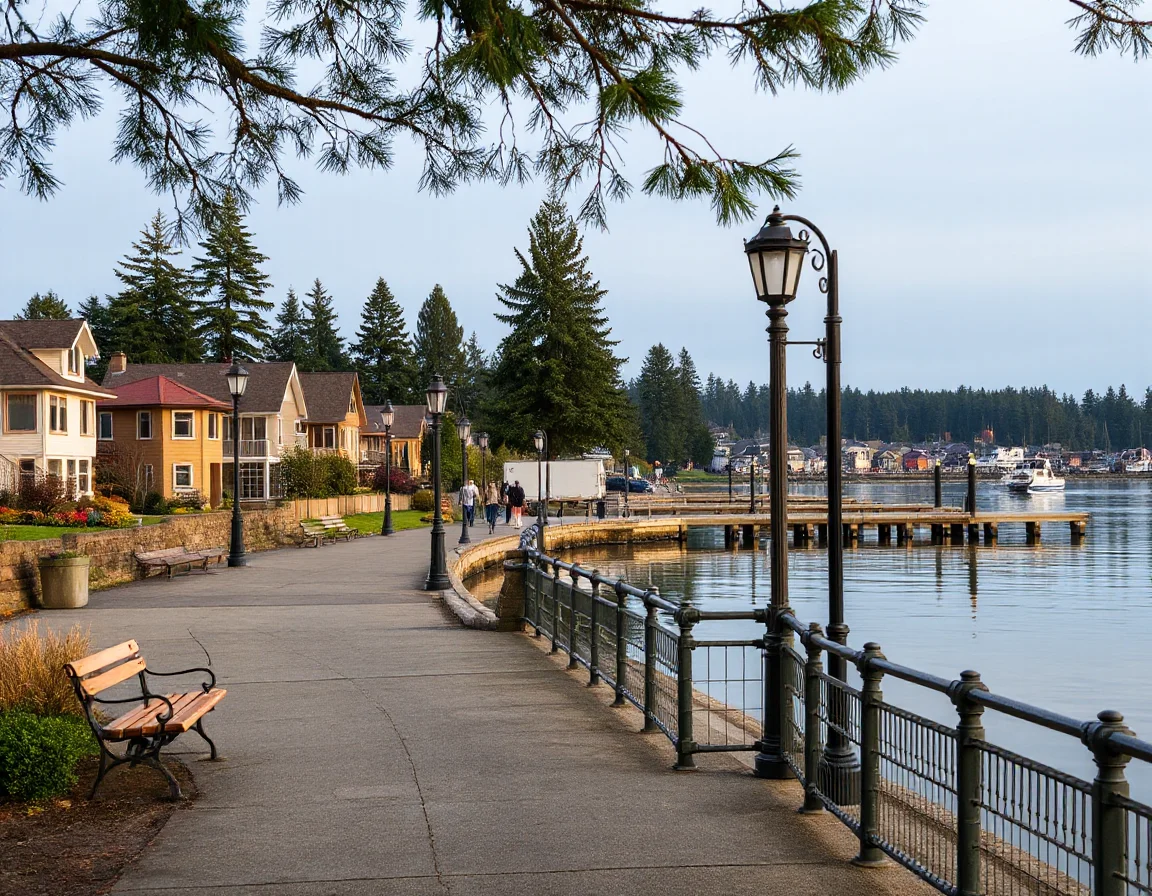
For some people, walkability to beach approaches, public paths, and community destinations may be near the top of the list. Others may prefer a more secluded parcel, room for hobbies, a garage or workshop, or convenient highway access. Seasonal weather matters, too. Rain, wind, and shorter winter daylight can change how a road, driveway, deck, or outdoor space functions. During a showing, it is smart to look at grading, drainage, storage, covered entries, and the condition of exterior surfaces as closely as you look at kitchen finishes.
Raymond and South Bend provide a different lens on the region. Situated around the Willapa River area, these communities combine small-town services with access to the wider coastal landscape. Buyers may encounter older homes with established character, properties with room for projects, and housing choices that can differ in price point and lot size from the beachside markets. As with any older housing stock, inspections and a realistic repair budget are valuable tools for understanding the opportunity in front of you.
When comparing locations, write down your nonnegotiables before touring. They might include a certain number of bedrooms, a single-level layout, workspace, internet needs, storage, a particular commute range, or a yard that fits your preferred level of maintenance. This list makes it easier to distinguish between a home that is visually memorable and one that is genuinely workable over time.
A coastal purchase budget is more complete when it includes insurance, utilities, maintenance reserves, and anticipated improvements—not only the monthly loan payment.
Use Market Context to Narrow the Search
Inventory along the Washington coast can be highly varied. A single search may include a renovated bungalow, a vacant lot, a condominium, a manufactured home, a rural property, or a home that needs substantial updating. Comparing those options requires more than sorting by price. Consider lot size, foundation type, heating source, sewer or septic systems, homeowner association details where applicable, road access, and the condition of major systems. Each factor can shape financing, insurance, future maintenance, and resale considerations.
Financing deserves an early place in the process, especially when a property has distinctive features. Homes on larger parcels, those with accessory structures, or properties needing repair may have loan requirements that differ from a conventional purchase. Darcy Wills’ background in mortgage lending adds useful perspective to conversations about affordability, lending questions, and the sequence of steps from pre-approval through closing. That insight can help buyers prepare before the right listing appears.
For sellers, the same local variety makes thoughtful preparation essential. A clear presentation of improvements, maintenance records, utility information, and property features helps prospective buyers evaluate a home with confidence. Coastal buyers frequently ask practical questions about weather protection, drainage, roof age, heating, and access, so addressing those topics accurately can make a listing easier to understand. Pricing should reflect current competition, condition, location, and the property’s particular strengths rather than relying on broad assumptions about the entire coast.
Find the Community That Matches Your Next Chapter
The right Washington coast community is often revealed through a combination of details: the route you take home, the amount of upkeep you want, the scenery that draws your attention, and the places you return to on an ordinary weekend. Long Beach, Seaview, Ocean Shores, Raymond, and South Bend each offer a distinct starting point for that exploration. Spend time in the areas, revisit at different hours if possible, and let your everyday priorities guide the comparison.
A successful move is not about chasing a perfect postcard. It is about choosing a property and location that align with your budget, plans, and preferred pace of life. With personalized guidance, responsive communication, and a careful review of both the home and the financing picture, you can approach the Washington coast market with more clarity and confidence.