
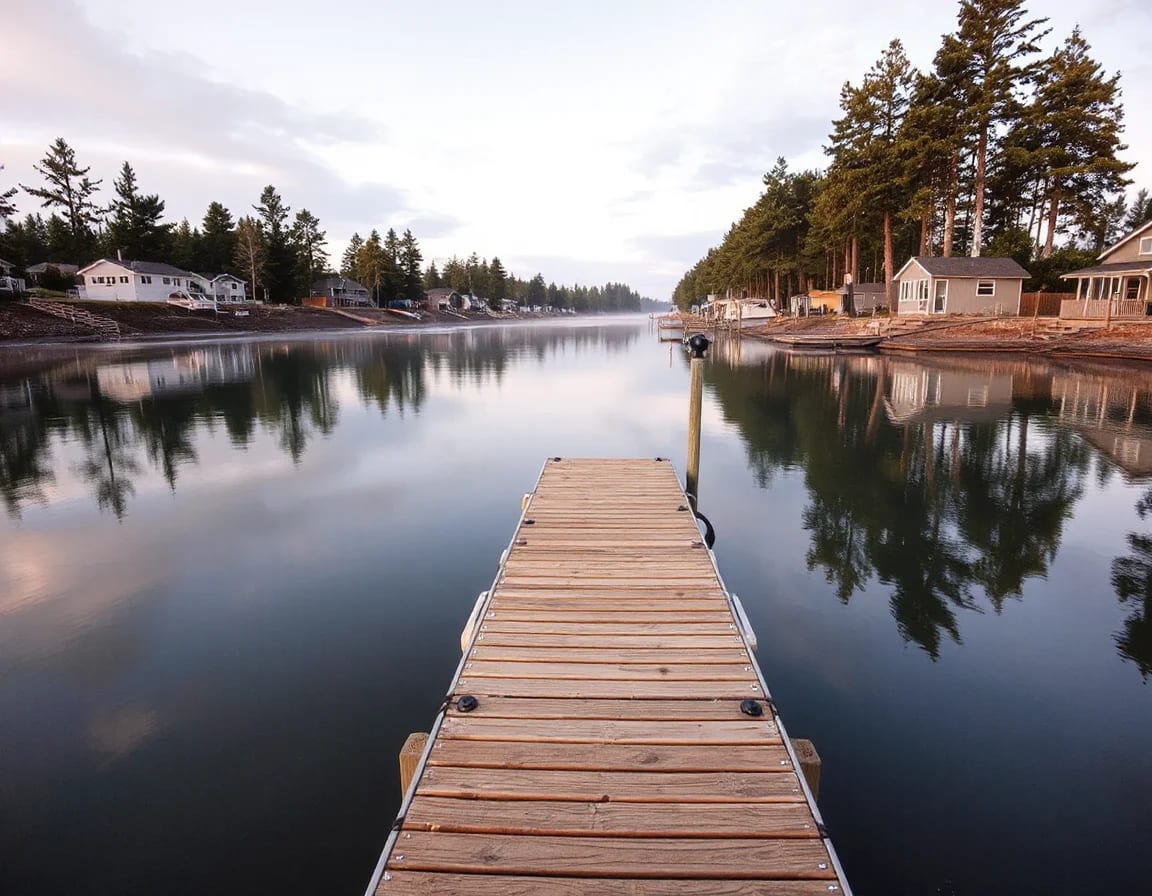
Choosing between a waterfront setting and a beachside setting in Ocean Shores is about more than the view from the window. Access, maintenance, flood considerations, rental rules, and everyday use can vary significantly from one property to the next. A clear comparison helps buyers focus on the setting that supports their plans and make an offer with practical confidence.
Two Coastal Settings, Two Different Daily Rhythms
Ocean Shores offers a rare variety of coastal perspectives within one compact community. Some homes sit near the Pacific-facing dunes and broad sandy shoreline, while others look toward canals, lakes, bays, or protected waterways. Both settings can deliver water-oriented living, but they create distinctly different routines—from the sound of surf and beach walks to watching birds move across a quiet canal from a deck or patio.

Beachside homes are often selected for their proximity to public beach approaches, dune landscapes, and the open character of the Pacific coast. Depending on the exact location, the beach may be a short walk, a drive, or simply a visible part of the surrounding landscape. Buyers commonly weigh details such as dune buffers, wind exposure, walking routes, lot orientation, and whether the property has a view corridor or only nearby access.
Waterfront homes may face a canal, lake, bay, or other water feature rather than the ocean itself. These properties can offer a more sheltered visual setting and, in some cases, direct access for kayaking, paddleboarding, or small-water recreation where permitted. The character of each shoreline matters: a canal-front lot, a lakefront property, and a home near Grays Harbor can have different conditions, views, upkeep needs, and rules for docks or water access.
It is useful to separate “waterfront” from “water view” during a home search. A water view may be enjoyed from an upper level, deck, or living room without direct shoreline ownership. A waterfront parcel may include a boundary near the water but still have easements, setbacks, vegetation, or access limitations. Listing photos are a helpful starting point, but a site visit and review of the property details provide the fuller picture.
In coastal purchases, the best setting is often the one that fits how you expect to use the property year-round—not simply the one with the closest waterline.
Seasonality also deserves attention. Ocean light, wind, rainfall, and changing tides shape the experience of every coastal location. A beachside deck may feel entirely different on a bright summer afternoon than during a winter storm, while a canal-side property may offer a more protected outdoor area. When possible, buyers benefit from visiting at more than one time of day and imagining practical details such as parking, carrying gear, outdoor storage, and entry during wet weather.
Compare the Ownership Details Before You Fall for the View
A compelling view can make a property memorable, but the purchase decision should include a careful review of costs and conditions. Coastal homes may require added attention to exterior materials, drainage, roofing, windows, decks, and landscaping. Salt air, wind-driven rain, sand, and moisture can affect maintenance schedules, even when a home is not directly on the shore.
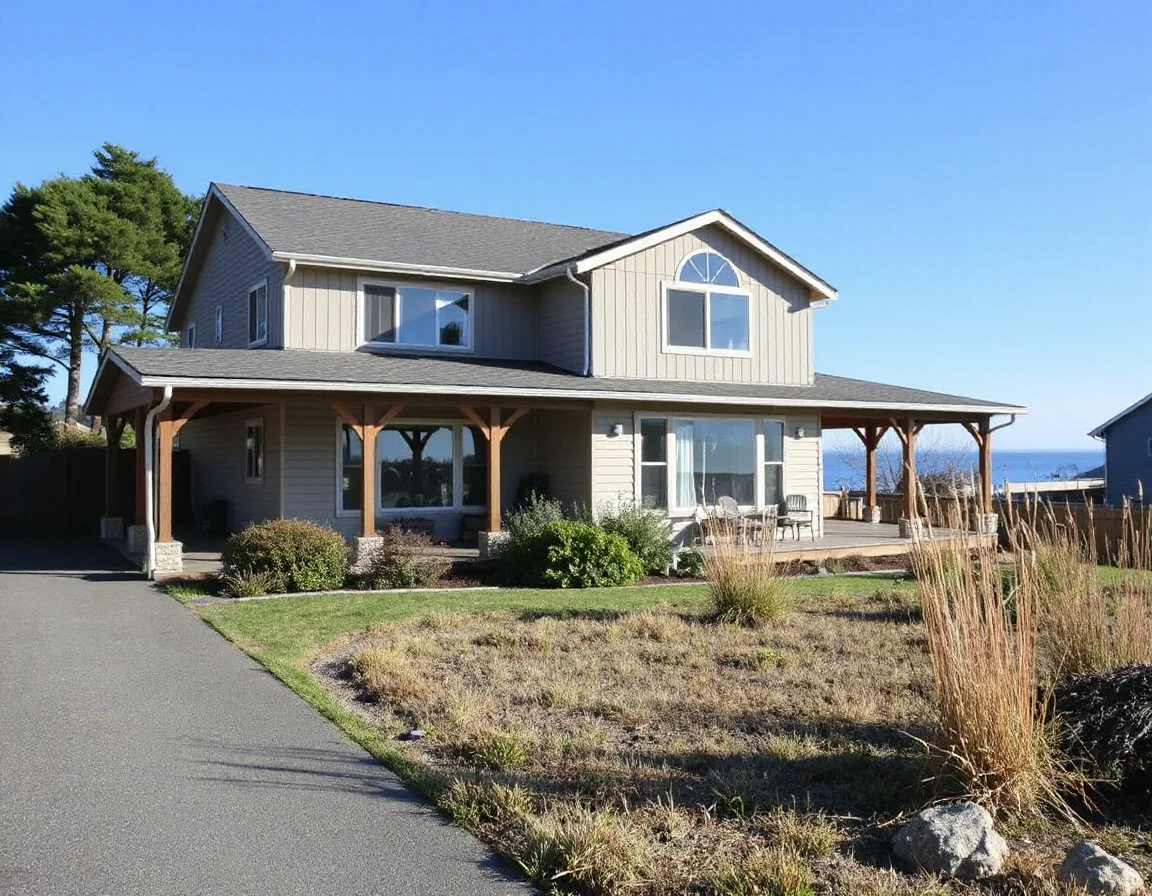
Flood-zone information is an important early checkpoint for either setting. A property’s flood designation can influence insurance availability, coverage requirements, lender conditions, and long-term ownership costs. Buyers should review current flood maps, ask for available insurance history, and discuss coverage options with a qualified insurance professional. Because map designations and insurance costs can change, it is wise to evaluate the specific parcel rather than making assumptions based on a general neighborhood description.
Financing deserves equal attention. Loan programs can have different property-condition expectations, and insurance, taxes, homeowners association dues, or utility costs all contribute to the complete monthly picture. Darcy Wills’ background in mortgage lending can be especially helpful when buyers are sorting through the relationship between purchase price, cash reserves, insurance estimates, and lending requirements. Understanding those numbers before writing an offer can keep a beautiful setting aligned with a comfortable plan.
For homes with canal or lake frontage, request documents related to waterway maintenance, shared access, association responsibilities, and any limitations on structures near the shoreline. For beach-adjacent homes, ask about public access routes, dune protections, erosion history, and maintenance of nearby roads or pathways. A knowledgeable inspection team can help assess visible conditions, while title, disclosure, and association documents add another layer of clarity.
A coastal property budget should account for the purchase price plus insurance, inspections, routine exterior care, and any association or waterway-related obligations.
Buyers considering rental use should also verify current local regulations, licensing requirements, and community rules before relying on projected income. Rules can differ by property and may change over time. The most durable plan is one that works for the buyer’s own ownership goals, with any rental potential treated as an opportunity to investigate rather than a guarantee.
Build a Viewing Plan That Makes the Choice Clearer
The most effective comparison happens when you tour beachside and waterfront properties with the same questions in mind. Start with access: How far is the shoreline, waterway, or beach approach from the home? Is the route level, maintained, and practical for the activities you enjoy? Then look at privacy, exposure, outdoor living space, storage, and the orientation of primary rooms. A home can be close to the water yet feel very different depending on the lot layout.
Next, pay close attention to the condition of the property’s exterior. Look at decks, railings, siding, rooflines, drainage patterns, crawlspaces where accessible, and vegetation around the foundation. Ask what has been updated and when. A well-prepared offer can include inspection contingencies that allow buyers to investigate the features that matter most, from moisture management to the condition of waterfront improvements.
It also helps to think beyond the home itself. Ocean Shores includes beach approaches, waterways, golf, open coastal scenery, local services, and routes connecting residents to the wider Grays Harbor area. A property’s distance to these amenities may shape everyday convenience as much as the view does. Rather than selecting a setting based on a single photograph, consider how the location supports errands, recreation, guest parking, and the pace of a typical week.
When the time comes to compare offers or negotiate repairs, personalized guidance can make the decision process more manageable. Realty ONE Group Pacifica and Darcy Wills provide responsive support throughout the buying process, helping clients organize questions, interpret the practical implications of property information, and move forward with a clear strategy. The goal is not to push one shoreline style over another; it is to help you understand the tradeoffs of each individual home.
Choose the Setting That Works Beyond Closing Day
Beachside and waterfront homes can both offer an exceptional Ocean Shores experience, but confidence comes from matching the property to your priorities. A beach-oriented location may place the Pacific landscape at the center of your routine. A canal, lake, or bay setting may offer another kind of water connection, with its own access, views, and maintenance considerations. By reviewing location details, insurance, financing, inspections, and ownership responsibilities early, buyers can focus on the homes that truly fit their plans.
The right coastal purchase is not defined by a label alone. It is the property where the setting, condition, budget, and intended use come together in a way that feels sustainable long after the first walk through the door.